
Brooklyn Chef Emily Yuen Elevates Chinese Cuisine at Manhattan's Michelin-Starred Yingtao
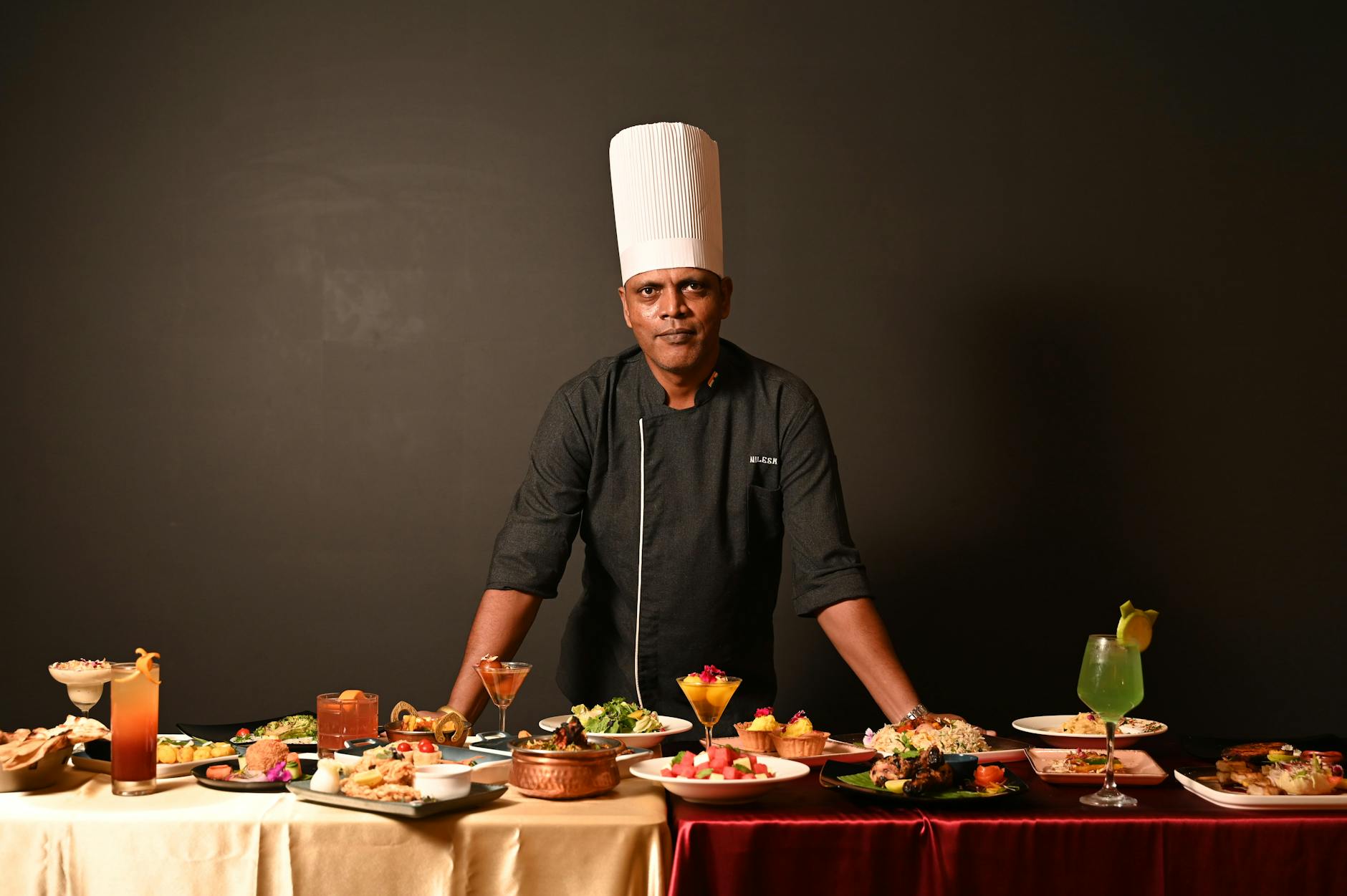
Brooklyn chef Emily Yuen, a James Beard Award semifinalist known for her work at the Japanese American restaurant Lingo, has joined Manhattan’s Yingtao as executive chef to help elevate Chinese cuisine in the fine dining world.
Yingtao, located in New York’s Hell’s Kitchen, opened in 2023 under husband-and-wife team Bolun and Linette Yao with a clear mission of presenting “contemporary” Chinese food as an elegant dining concept, according to the restaurant owners. The Michelin-starred establishment offers a $150 chef’s tasting menu.
“We are trying to break this bias, this boundary of people who only think about like Sichuan food, Cantonese food, the takeout box,” said Bolun Yao, who earned a master’s degree in food studies at New York University before opening the restaurant.
Yuen, a Chinese Canadian whose culinary education emphasized French cooking, said the opportunity to work at Yingtao aligns with her personal mission of representation in the kitchen and on the plate.
“I want go back to like, who I am, and kind of explore that,” Yuen said. “I was really like struck by his (Bolun’s) mission statement and it just really struck a chord with me of wanting to elevate Chinese culture and Chinese food.”
The chef plans to reimagine traditional Chinese dishes, including putting a savory twist on the Cantonese custard egg tart, “dan tat,” by incorporating caviar and quail eggs. “Egg on egg on egg,” Yuen described her creation.
Yingtao represents part of a broader movement of upscale Chinese American restaurants that have emerged from San Francisco to New York City in recent years. These establishments offer refined tasting menus that extend far beyond traditional Chinese takeout offerings, according to industry observations.
In San Francisco, Taiwan-born chef George Chen operates China Live on the edge of the nation’s oldest Chinatown. Chen, whose family immigrated to Los Angeles in 1967, recalled facing childhood ridicule for his lunch of braised pork and Chinese sauerkraut between bread slices.
“‘Oh, God, what are you eating? That’s gross,’” Chen remembered his classmates saying. “And now everybody wants the braised pork and Chinese sauerkraut. Hopefully, perception of Chinese (food) has now come a long ways.”
At China Live, Chen oversees multiple cooking stations including dumpling-making, a stone oven for roasting Peking ducks, noodles, and desserts featuring sesame soft serve. He previously operated Eight Tables, an upstairs restaurant offering course-by-course dinners ranging from $88 to $188, and plans to launch Asia Live in Santa Clara with his wife Cindy Wong-Chen.
Despite the culinary innovation, Chinese restaurateurs face unique challenges in an industry where diners readily accept high prices for French haute cuisine or Japanese omakase, according to restaurant owners. These chefs and owners argue their food, labor, and cooking techniques deserve equal recognition.
“Why shouldn’t I?” Chen said about his pricing structure. “Just because we’re in Chinatown? Or just because people’s perception of Chinese food is that it’s only good if it’s cheap? It’s not true.”
Bolun Yao said he wanted “to build a bridge between traditional Chinese and the fine dining scene that New York people are familiar with” while maintaining respect for casual Chinese takeout restaurants.
The movement includes other San Francisco establishments such as Empress by Boon, Mister Jiu’s, and Four Kings, all within walking distance of Chen’s operation. Many of these restaurants plan special interpretations of traditional Lunar New Year dishes, incorporating creative deconstructions of Chinese foods as part of their culinary approach.