
Coastal Flood Warning Issued for Nassau and Suffolk Counties Through Monday Morning
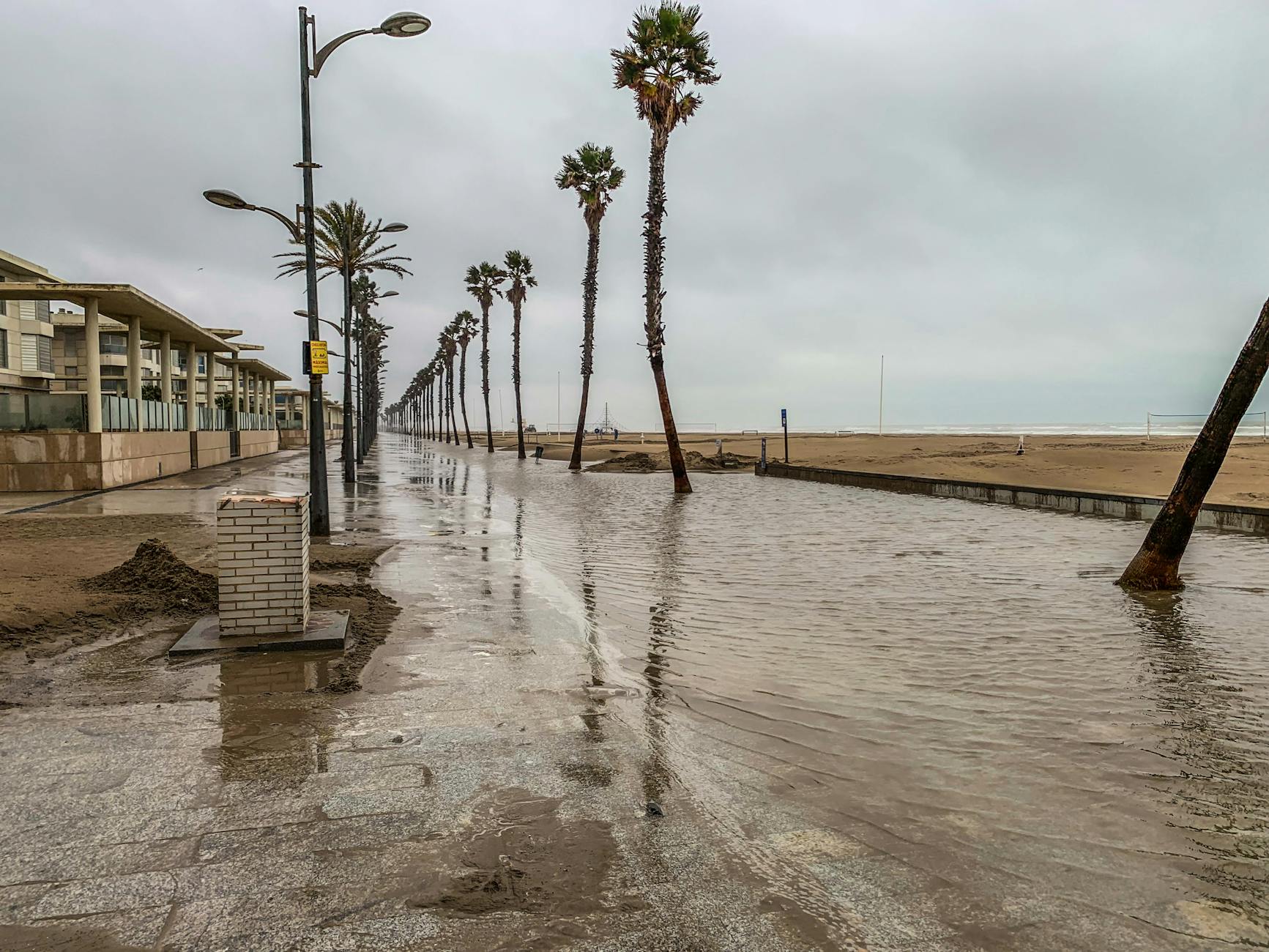
The National Weather Service issued a coastal flood warning for Nassau and Suffolk counties that will remain in effect from Sunday 10 p.m. until Monday 4 a.m., according to an alert released at 2:44 p.m. Saturday.
The warning predicts significant flooding in vulnerable waterfront and shoreline areas, with inundation levels expected to reach 1½ to 2½ feet above ground level, and locally up to 3 feet in some areas, according to the weather service.
The flooding forecast depends heavily on the timing of wind shifts from northeast to north storm force winds relative to high tide periods, according to the National Weather Service. Officials noted the water level predictions will be refined over the next 24 hours as conditions develop.
Ice cover present in local bays and harbors could worsen flooding conditions and potentially damage shoreline structures facing north to northeast, according to the weather service. Additional minor to locally moderate coastal flooding remains possible during Monday afternoon’s high tide cycle.
The National Weather Service advises residents to “take the necessary actions to protect flood-prone property” and warns travelers not to “drive around barricades or through water of unknown depth.”
Local residents should understand that a flood warning indicates flooding is either imminent or already occurring, requiring immediate action. This differs from flood watches, which indicate favorable conditions for flooding, and flood advisories, which suggest potential inconvenience but less severe conditions.
The weather service emphasizes several critical safety measures during flood events. Residents in flood-prone areas should immediately move to higher ground and follow any evacuation orders issued by local authorities. Those evacuating should secure their homes by locking doors and, if time permits, disconnect utilities and appliances to minimize electrical hazards.
Residents must avoid flooded basements and rooms where water has reached electrical outlets or cords to prevent electrical accidents. Anyone who notices sparks or hears buzzing, crackling, snapping, or popping sounds should evacuate immediately and avoid any water that may carry electrical current.
The weather service strongly warns against walking through floodwaters, regardless of how shallow they appear. According to the agency, just 6 inches of fast-moving water can sweep a person off their feet. Anyone trapped by moving water should move to the highest available point and call 911 for emergency assistance.
Driving conditions pose particular risks during flood events. The National Weather Service reports that as little as 12 inches of fast-flowing water can carry away most vehicles, making it crucial never to drive through water on roadways, even when it appears shallow.
Nassau and Suffolk county residents should monitor weather conditions closely through Monday morning and prepare for potential property protection measures. The warning affects all waterfront and low-lying areas throughout both counties, with particular attention needed for north and northeast-facing shoreline properties.
The combination of storm force winds, high tides, and existing ice conditions creates a complex weather situation that could produce varying flood levels across different coastal areas. Residents should stay informed about evolving conditions and be prepared to take protective action for their properties and personal safety.
Local authorities and emergency services will likely increase monitoring of flood-prone areas during the warning period. Residents should have emergency contact information readily available and consider alternative transportation routes that avoid low-lying coastal roads during the warning period.