






Farmingdale High School Cheer Team Wins State Title
After three consecutive runner-up finishes, Farmingdale High School's Varsity Cheer team finally claimed a state championship through bold skill choices and record scores.
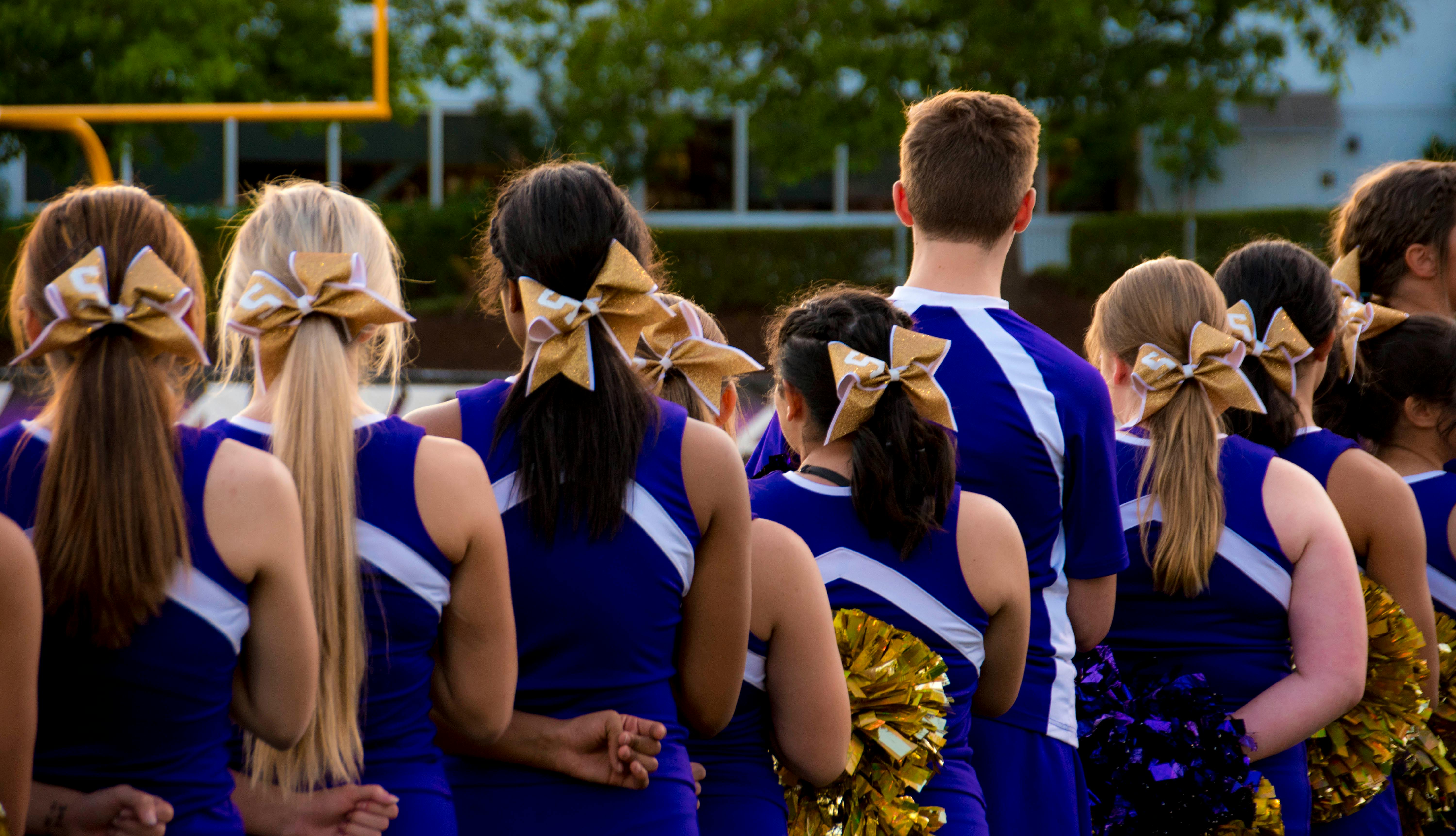
The Farmingdale High School Varsity Cheer team marched through the St. Patrick’s Day Parade last weekend carrying something heavier than medals. They carried the weight of three near-misses, finally lifted.
Third place. Second place. Second place again. For three consecutive seasons, the Dalers had done everything right except finish first. That changed this month, and the cost of getting there tells you everything about how championships actually get built.
This program did not stumble into a state title. It engineered one. Head coach Caitlin Beatrice made a deliberate choice to pursue difficulty over safety, packing the team’s competition routine with the highest skill level in program history. “We pushed the skill level every year,” Beatrice said. “The hardest routine, as far as difficulty and a number of skills were packed into the routine to help us produce the highest scores.” That gamble required athletes to execute under pressure what most programs would never attempt in practice.
The early returns validated the approach. On Feb. 14, Farmingdale secured its fourth consecutive Nassau County Championship with a score of 94.9, the highest mark recorded anywhere on Long Island this season. That number is not a rounding error. It signals a program operating at a different level than its regional competition.
They took that standard to Orlando, Florida, for the National High School Cheerleading Championship, where they placed 19th out of 115 teams in the DI Small division. More significantly, they became the first squad in program history to advance to the final round of that competition. Nineteenth out of 115 is not a consolation prize. It is proof that the training model works at the national level.
What makes the state title sustainable, rather than a one-season spike, is the structural foundation behind it. The program operates with aligned expectations across middle school, junior varsity, and varsity levels. Athletes do not arrive at varsity and learn the culture from scratch. They arrive already shaped by it.
The senior class at the center of this title group represents that system’s output. Ten seniors have anchored this program since their freshman year. Among them is Dakota Mauro, who made history by becoming the first eighth grader ever elevated to the varsity squad. The years those athletes invested before the spotlight arrived were not glamorous. Early morning practices, long training sessions, missed vacations, and family schedules built entirely around competition calendars. Their families functioned as an extended team.
Farmingdale Superintendent of Schools Paul Defendini captured what that investment produced. “You didn’t just take a risk; you embraced the hardest routine in our school’s history,” he said, “and when the pressure was at its highest, you leaned on each other and delivered a masterpiece.”
That language, masterpiece, is not typical of school administrators commenting on athletic results. It reflects how the final performance landed on those who watched it.
The broader cheerleading community on Long Island recognized the season’s significance at the Section VIII Cheerleading Awards Banquet, where Beatrice took home Coach of the Year honors. Her athletes collected additional hardware across individual award categories, confirmation that the team’s success was not carried by one or two standout performers.
The parade route through Farmingdale village on St. Patrick’s Day served as the public celebration, but the actual work happened years earlier in gyms that most residents never saw. That gap between public recognition and private sacrifice is where this title was actually won.
For Long Island programs watching from a distance, the Farmingdale model offers a specific lesson. Incremental improvement paired with deliberate difficulty is not a comfortable strategy. It produces third place, then second place, then second place again before it produces a championship. Most programs abandon the approach before the payoff arrives.
This group did not. The medals they wore through the village parade were the return on an investment made long before anyone was watching.