







Betty Rosa, New York’s Commissioner of Education, ordered the Massapequa School District and the Locust Valley Central School District on April 21 to stop blocking transgender students from using school facilities that match their gender identity, ruling that both districts violated state law.
Rosa sided with the New York Civil Liberties Union in its challenge to resolutions the two Nassau County districts adopted last fall. The policies had barred transgender students from using restrooms and locker rooms consistent with their gender identity, directing them instead to gender-neutral facilities. Rosa’s decision annuls both policies and requires the districts to let students access facilities that most closely align with their gender identity.
The ruling landed after months of escalating conflict between the districts and state officials. It’s a significant reaffirmation of protections that New York’s Education Department has backed for years, and it puts school board members on notice that their authority has real limits.
Rosa’s written decision was pointed. Board members are “public officers” who take an oath to uphold the law, she wrote, and their conduct “did not satisfy these obligations” when they disregarded protections guaranteeing students’ dignity. She didn’t mince words.
The case started in Massapequa, where the school board voted on Sept. 9 to approve a resolution mandating that students use bathrooms and locker rooms corresponding to their sex as defined under Title IX and federal law. Nine days later, on Sept. 18, a special meeting authorized the superintendent to enforce it. The resolution allowed students who wanted alternative arrangements to use designated gender-neutral facilities, but it explicitly barred transgender students from using spaces aligned with their gender identity if that differed from their sex assigned at birth.
The NYCLU filed an appeal with Rosa on Oct. 3 on behalf of an unidentified transgender student who said the Massapequa policy blocked access to school facilities. The organization argued the resolution conflicted with New York’s Education Law, Human Rights Law, and Civil Rights Law, along with guidance from the New York State Education Department. Rosa responded by issuing a stay blocking enforcement of the policy while the appeal moved forward. Massapequa didn’t back down. The district appealed that stay and filed a federal lawsuit against a student’s parents, as well as Rosa and other state officials.
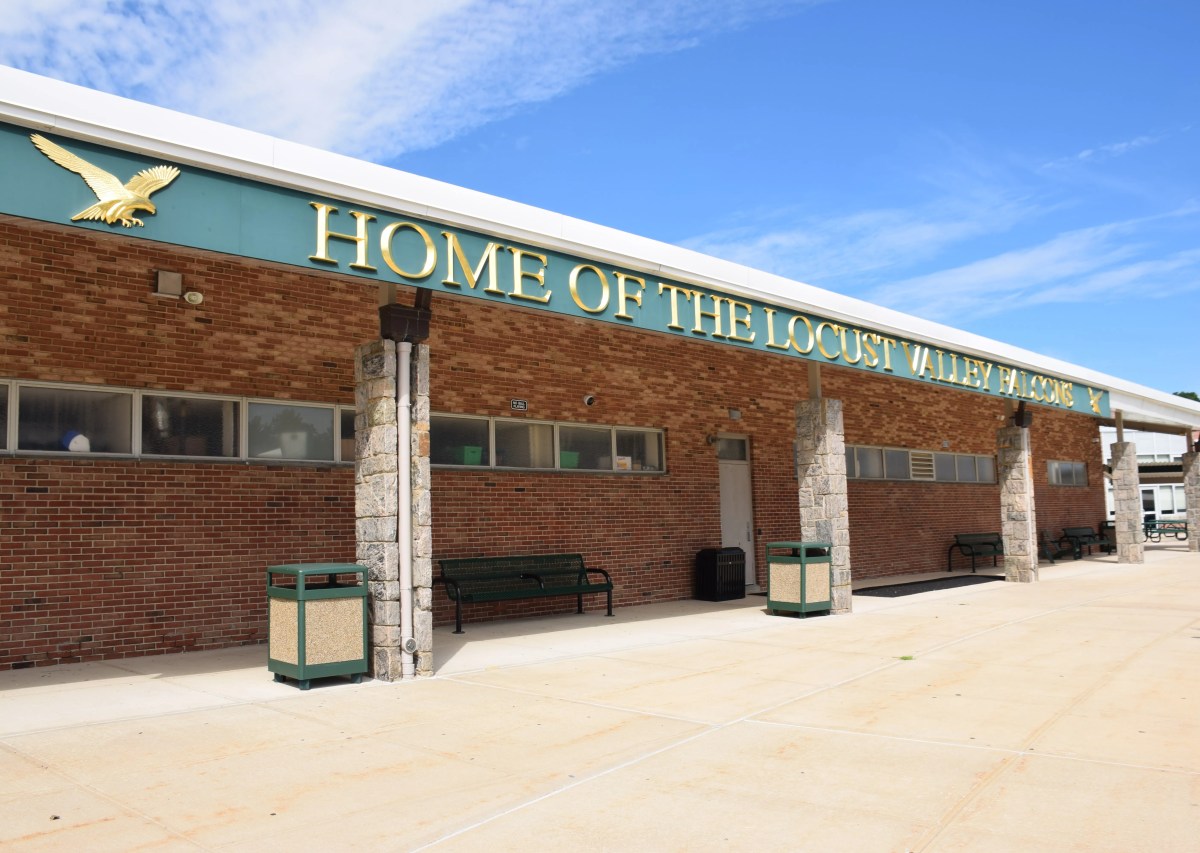
Locust Valley followed a similar path. The board there adopted a comparable resolution on Oct. 15, citing the district’s obligation to comply with Title IX as a recipient of federal funding and defining sex according to biological classification. The board said it would amend or replace existing policies that aligned with state guidance. Rosa subsequently issued a stay blocking that policy too.
Both districts are now under a direct order to comply.
“The district is aware of the commissioner’s response and is reviewing it with legal counsel,” a spokesperson for the Massapequa School District said. A spokesperson for Locust Valley Central School District was unable to provide comment at the time of publication, according to Long Island Press.
The districts’ resolutions reflected a broader national argument that erupted last year over whether transgender students’ access to school facilities should be governed by state anti-discrimination law or by narrower definitions of sex tied to federal Title IX guidance. New York’s answer, as Rosa’s ruling makes clear, is that state law controls inside New York schools.
The New York State Education Department has maintained for years that schools must protect transgender students under state civil rights statutes. The NYCLU, which brought the Massapequa challenge, has argued consistently that excluding transgender students from facilities matching their identity causes real harm, academically and emotionally, to young people already navigating a difficult environment.
For the families at the center of both cases, the ruling closes a chapter that stretched across most of the last school year. The Massapequa student whose situation sparked the original appeal spent months unable to access facilities that matched their identity while the legal fight played out. That’s a long time for a kid to be caught in the middle of a dispute between school officials and state authorities.
Whether either district will continue to fight in federal court is an open question. Massapequa’s existing federal lawsuit against Rosa and other officials is still pending, and the district’s decision to sue a student’s parents drew criticism from civil rights advocates across New York who called it an intimidation tactic. Rosa’s ruling doesn’t resolve that litigation, but it makes the districts’ legal position harder to defend before any judge weighing New York state law.