









Super Cheeks the Cat Up for Adoption on Long Island
Meet Super Cheeks, an FIV-positive tabby at Smithtown Animal Shelter, and other Long Island pets seeking forever homes this spring.

Two animals with complicated pasts are waiting for second chances at Long Island shelters this spring, and the cost to bring them home is considerably less than most Long Islanders pay in a single month of property taxes.
Super Cheeks, a two-year-old tabby Domestic Short Hair, is currently available at the Town of Smithtown Animal Shelter. The name fits. Shelter staff describe him as a cat with irresistible cheeks and a personality to match, which is not something you typically read in a municipal budget report. He came through the shelter’s Trap-Neuter-Return program after being found as a friendly neighborhood stray, still wearing a flea collar that suggested he once had a home before losing it.
The TNR program, funded through local municipal budgets, exists precisely to handle cats in this situation. Animals like Super Cheeks who show clear socialization to humans get pulled from the outdoor colony process and placed on the adoption track instead of being returned to the streets.
Super Cheeks is FIV positive, meaning the feline immunodeficiency virus is present. Prospective adopters should understand what that means and what it does not mean. FIV-positive cats require indoor-only environments and some additional care awareness, but they can live full, healthy lives. The virus is not transmissible to humans or to dogs, only to other cats through deep bite wounds, which is why shelter staff recommend he go to a home as the sole cat. He would do well with children and may actually thrive with a calm canine companion around. He can become overstimulated during extended play or petting sessions, so a quieter household suits him best.
Anyone interested can submit an adoption application through the Smithtown Animal Shelter to schedule an interaction in a domestic setting.
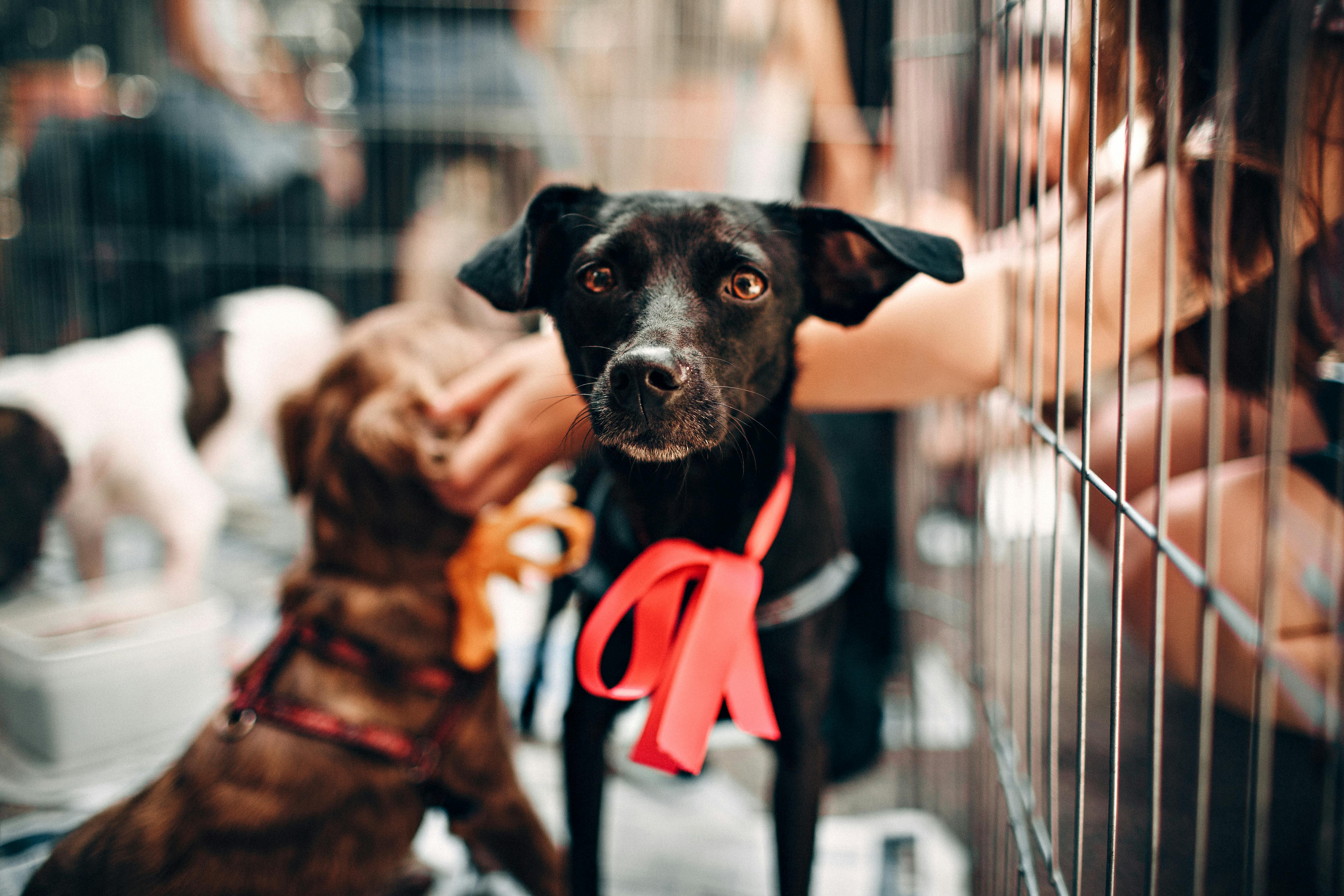
Over at North Shore Animal League America in Port Washington, a two-year-old Mountain Dog mix named Hudson is looking for someone patient enough to give him what two previous adopters could not.
Hudson has been adopted twice and returned twice. The shelter is straightforward about that history, and credit is due for the transparency. The returns were not attributed to behavioral failures on Hudson’s part, but rather to mismatches with the households that chose him. He is shy at first contact and needs time before he opens up fully.
What North Shore Animal League has done with that time is worth examining. Hudson participates in daily confidence-building sessions, structured training, and treadmill workouts using what the shelter calls Zoomiez Dog Run equipment. The goal is reducing anxiety and building trust incrementally, which is exactly the kind of outcome-focused programming that justifies shelter operating budgets when it actually works.
By the accounts provided, it is working. Hudson knows his basic commands. He plays well with other dogs. He responds positively to treats and ear scratches, and he handles calm walks without issue. The picture that emerges is not of a troubled dog but of a dog who needs a specific kind of person, someone who will give him consistency and time rather than expecting immediate emotional return on the investment.
North Shore Animal League America operates as a no-kill shelter and adoption organization funded through a combination of private donations and public sources. The infrastructure behind an animal like Hudson, the training staff, the enrichment programming, the specialized equipment, represents real expenditure that advocates argue pays dividends in successful adoptions and reduced municipal shelter burden over time.
Both animals represent what shelter professionals consider the harder cases, not because of any danger, but because they require adopters who understand that building trust is a process. Super Cheeks needs someone who will respect his signals. Hudson needs someone who will wait him out through the initial shyness.
Spring is historically when shelter populations rise across Long Island as outdoor animal activity increases. Finding homes for animals already in the system before that seasonal surge is straightforward math: every adoption now is one fewer space needed later.
The Smithtown Animal Shelter and North Shore Animal League America both accept adoption applications through their respective websites.