











Long Island Law Firm Files PFAS Lawsuit Against Chemical Companies Over Contaminated Drinking Water
A Long Island law firm has filed a lawsuit in Nassau County Supreme Court alleging that families suffered serious health injuries from prolonged exposure to PFAS-contaminated drinking water across Nassau and Suffolk Counties.

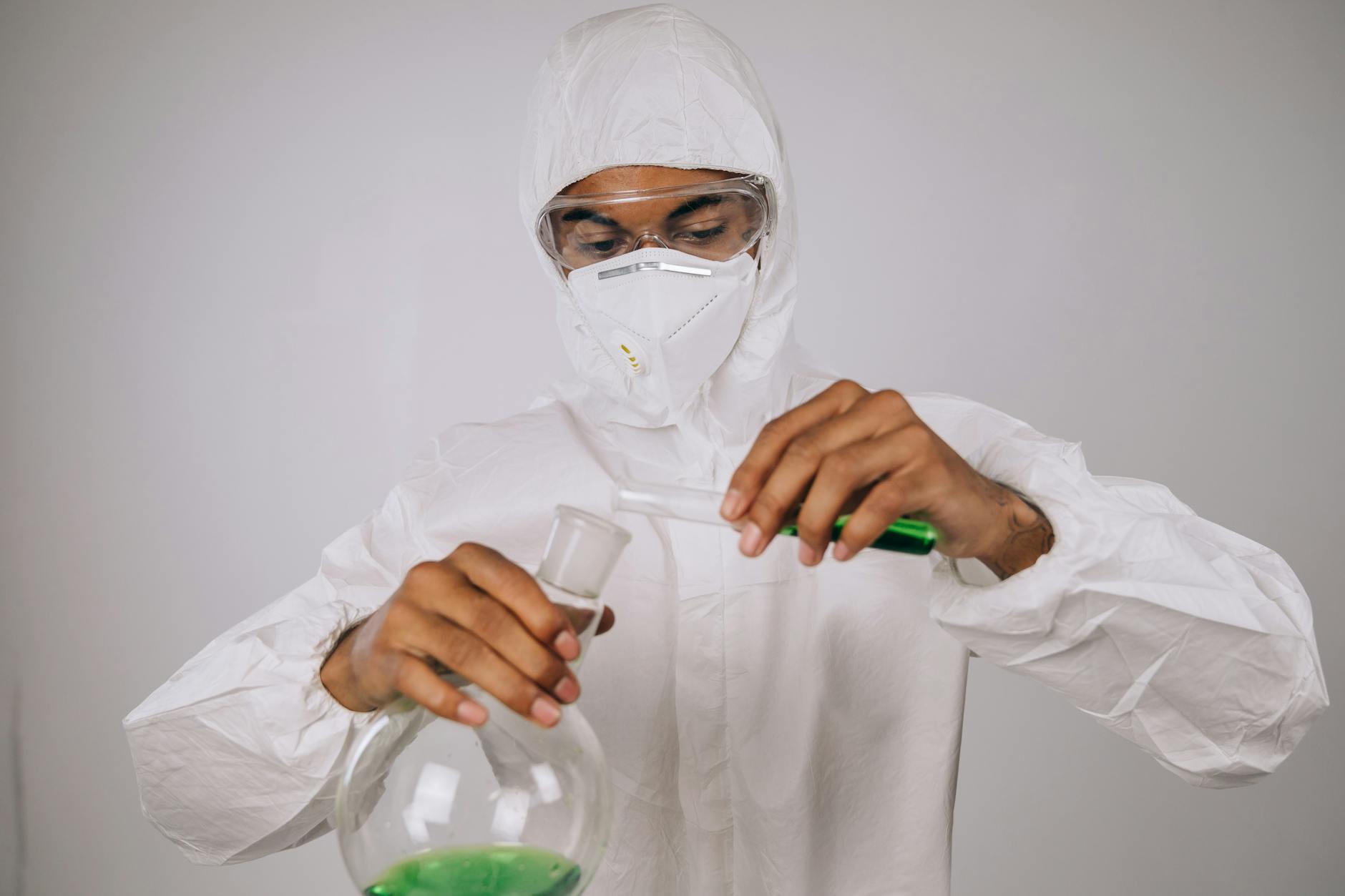
A Long Island law firm has filed a lawsuit in Nassau County Supreme Court alleging that families suffered serious health injuries from prolonged exposure to PFAS-contaminated drinking water across Nassau and Suffolk Counties.
Greenstein & Pittari, LLP filed the lawsuit on behalf of a Long Island resident in March, according to court documents. The case, filed under Index No. 604373/2026, targets corporate entities associated with PFAS production and distribution for allegedly failing to adequately address or disclose the risks of these synthetic chemicals.
PFAS, known as per- and polyfluoroalkyl substances, are commonly called “forever chemicals” because they do not easily break down in the environment or human body, according to the lawsuit. These chemicals have been used for decades in firefighting foam, industrial processes, and various commercial applications.
The contamination poses particular concerns for Long Island communities that rely on a single-source aquifer for drinking water, according to the filing. The lawsuit alleges that families who drank, cooked with, and bathed in tap water containing PFAS over extended periods were exposed without meaningful warning.
“Families should feel safe in their own homes,” said Robert Greenstein, founding partner of Greenstein & Pittari, LLP. “No one should have to question whether the water they gave their children contributed to a cancer diagnosis or other serious illness. This lawsuit seeks accountability and answers.”
The legal action comes as regulatory standards for PFAS continue to evolve. The U.S. Environmental Protection Agency finalized the first national drinking water standards for several PFAS chemicals in April 2024, including strict limits for PFOA and PFOS, according to the lawsuit. In May 2025, the EPA announced it would maintain the core PFOA and PFOS standards while revisiting portions of the broader rule and extending certain compliance deadlines.
New York previously established Maximum Contaminant Levels of 10 parts per trillion for PFOA and PFOS, according to the filing. However, many Long Island residents may have been exposed to PFAS for years before filtration systems and updated treatment measures were implemented in certain districts.
Communities across Nassau and Suffolk Counties have reported PFAS detections in public water supplies, according to the lawsuit. Areas of particular concern include locations near industrial sites, airports, firefighting training areas, and legacy contamination plumes. Long Island MacArthur Airport and the Bethpage area have drawn regulatory scrutiny related to groundwater contamination issues, the filing states.
Medical and public health authorities have associated PFAS exposure with serious health conditions, according to the lawsuit. These include kidney cancer, testicular cancer, liver cancer, thyroid disease and thyroid cancer, ulcerative colitis, and pregnancy-related complications such as preeclampsia.
The lawsuit seeks compensation for medical expenses, lost wages, pain and suffering, and other damages suffered by affected families. Greenstein & Pittari, LLP stated it is conducting detailed investigations into exposure history, medical timelines, and publicly available water system data to support individual claims.
While many PFAS-related cases nationwide have been coordinated in federal multidistrict litigation for pretrial proceedings, individual injury claims remain fact-specific and require independent legal evaluation, according to the firm.
Under New York law, toxic exposure claims are subject to strict deadlines, often measured from the date an injury is discovered, according to the filing. The firm encourages residents who have received a qualifying diagnosis after years of living in Nassau or Suffolk County to seek prompt legal guidance.
Greenstein & Pittari, LLP handles the cases on a contingency fee basis, meaning there are no upfront legal fees, according to the firm. The law firm offers free, confidential consultations for residents seeking information about potential PFAS exposure claims.