


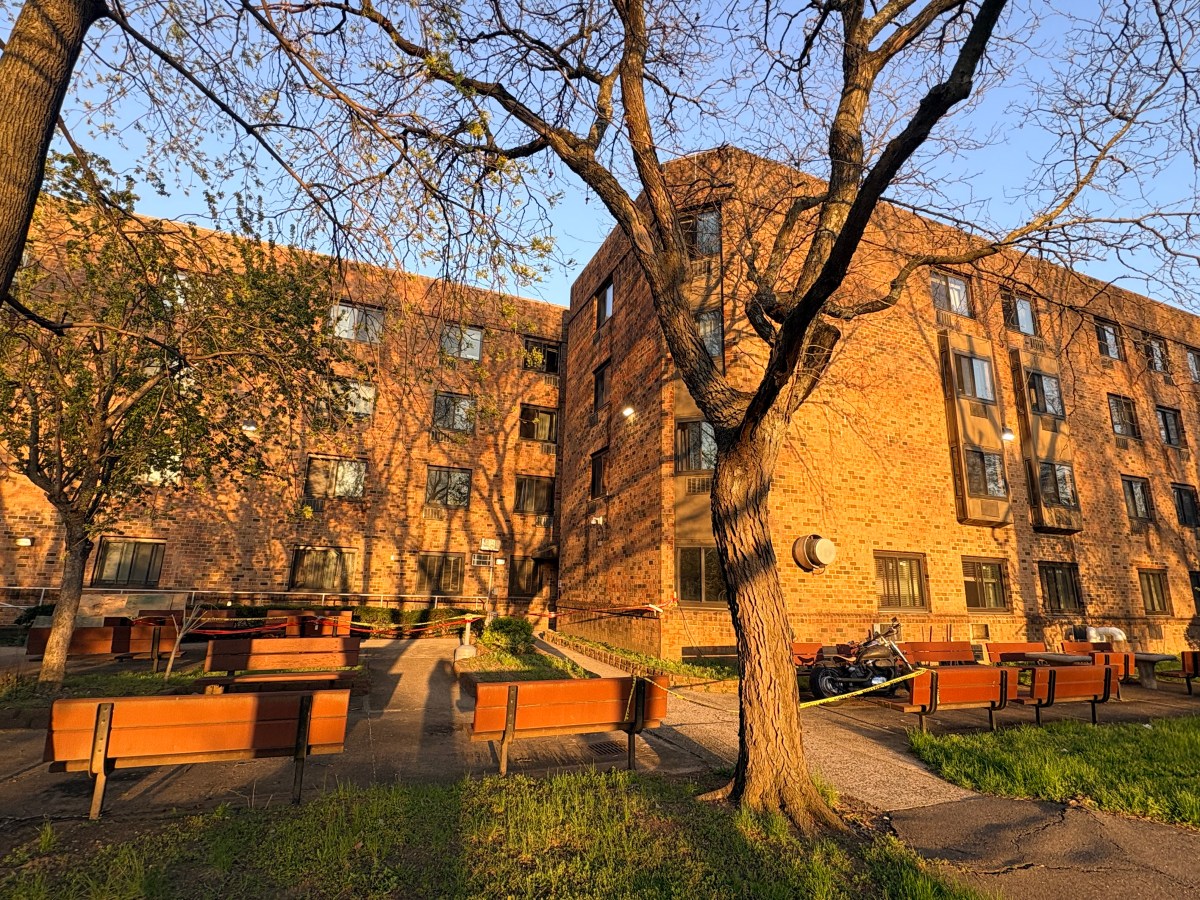








The 75-unit senior housing complex at 700 Middle Neck Road in Great Neck has sat mostly unchanged since its construction in 1983. Now, more than 40 years later, the building’s electrical systems, plumbing, septic infrastructure, and fire-prevention equipment are all overdue for replacement. New York State is putting up $22 million to make sure those repairs finally happen.
Governor Kathy Hochul’s office announced the funding earlier this month as part of her five-year Housing Plan, a statewide initiative targeting the creation or preservation of 100,000 affordable homes across New York. The Great Neck project is one piece of that larger effort, but for the seniors who live at the Nassau County complex, it’s the whole picture.
The renovation will be led by a partnership between developer Georgica Green Ventures, LLC and the Village of Great Neck Housing Authority. Together, they’ll carry out a full rehabilitation of the building, touching every major system that keeps the structure livable and safe. No construction timeline has been released yet.
Affordability sits at the center of the project’s purpose. Of the 75 apartments, 74 will be reserved for residents who are 55 or older and earn no more than 50% of the Area Median Income, a figure set annually by the U.S. Department of Housing and Urban Development. Under current HUD standards, that means a single person can earn up to $57,750 per year and a couple up to $66,000. The remaining unit is set aside for the building’s superintendent and falls outside the funding appropriation.
Without this investment, the risk wasn’t just deteriorating pipes and outdated wiring. Buildings like this one face a double threat: decay that makes them unfit for occupancy, or market pressures that push longtime residents out in favor of higher-income tenants. The $22 million is designed to prevent both.
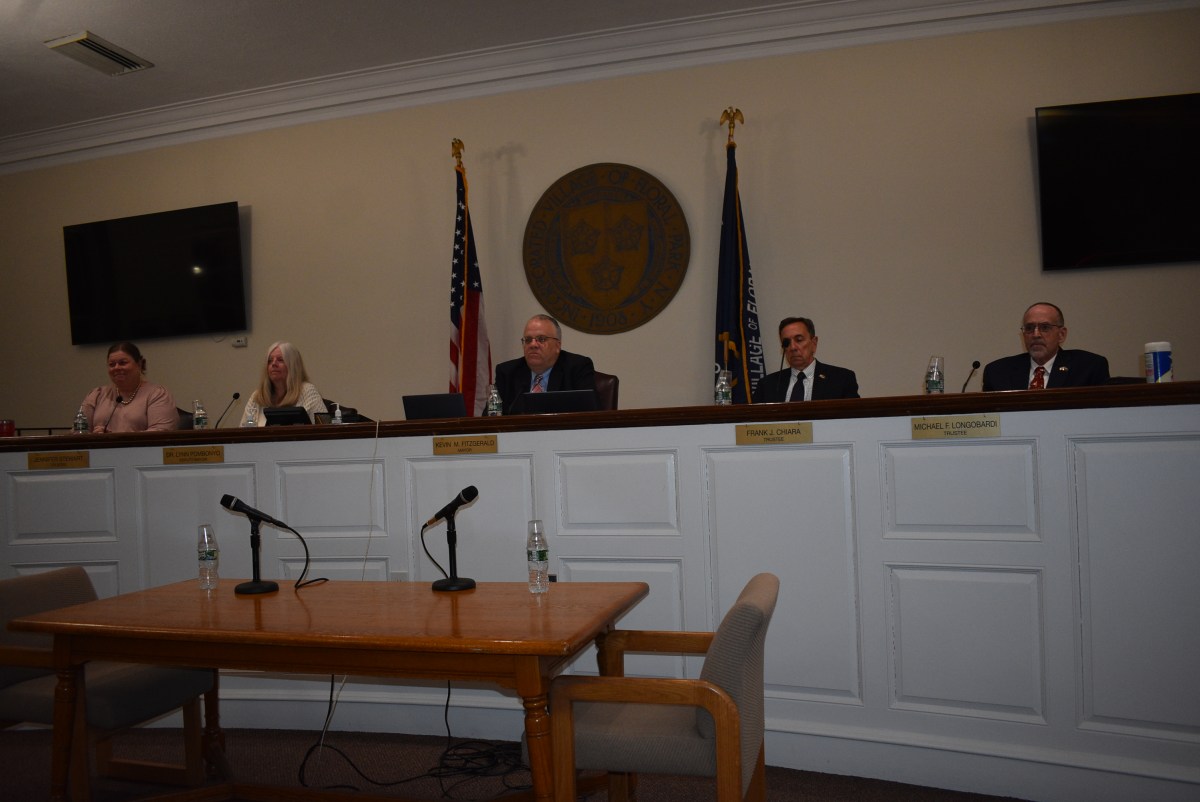
Great Neck Mayor Pedram Bral didn’t hide his relief.
“I thank Gov. Kathy Hochul for this transformative $22 million investment,” Bral said. “This funding will help the Great Neck Housing Authority enhance services and improve housing, ensuring our seniors live with greater dignity and comfort.”
Short sentences don’t capture what it means, practically, for an older resident on a fixed income to have their building’s fire suppression and electrical systems go another decade without a full overhaul. Code compliance issues. Insurance exposure. The slow creep of unsafe conditions that rarely make headlines until something goes wrong.
The project was reported by Long Island Press, which noted that the funding is connected to Hochul’s broader housing push. The governor’s five-year plan has faced pressure across the state from advocates who say Long Island, in particular, has historically failed to produce enough affordable units to meet demand. Directing capital toward rehabilitation of existing buildings is one way to preserve what’s already there without triggering the local zoning fights that new construction routinely sparks in Nassau and Suffolk County communities.
Great Neck sits in Nassau County’s Town of North Hempstead. It’s one of the more affluent corners of Long Island, where the median home sale price has consistently outpaced the rest of the county. For low-income seniors in a zip code like that, the subsidized units at 700 Middle Neck Road aren’t just affordable housing. They’re often the only housing.
That’s why the Village of Great Neck Housing Authority has been a key partner here rather than a passive one. The authority’s involvement means the building is accountable to a local governance structure, which gives residents a clearer path to raise concerns and a more direct line to the elected officials responsible for the property’s condition. For more on affordable housing resources in New York, the state’s Homes and Community Renewal agency maintains a public database of funded developments.
The Great Neck complex has 75 units serving a population that often can’t absorb a rent hike, can’t relocate easily, and can’t afford to wait for slow-moving bureaucracies to act. Forty-three years is a long time to defer major infrastructure work, and the residents at 700 Middle Neck Road have been living inside that deferral. The $22 million commitment doesn’t just fund a renovation. It buys time, stability, and the baseline expectation that a building should function safely for the people who call it home.