
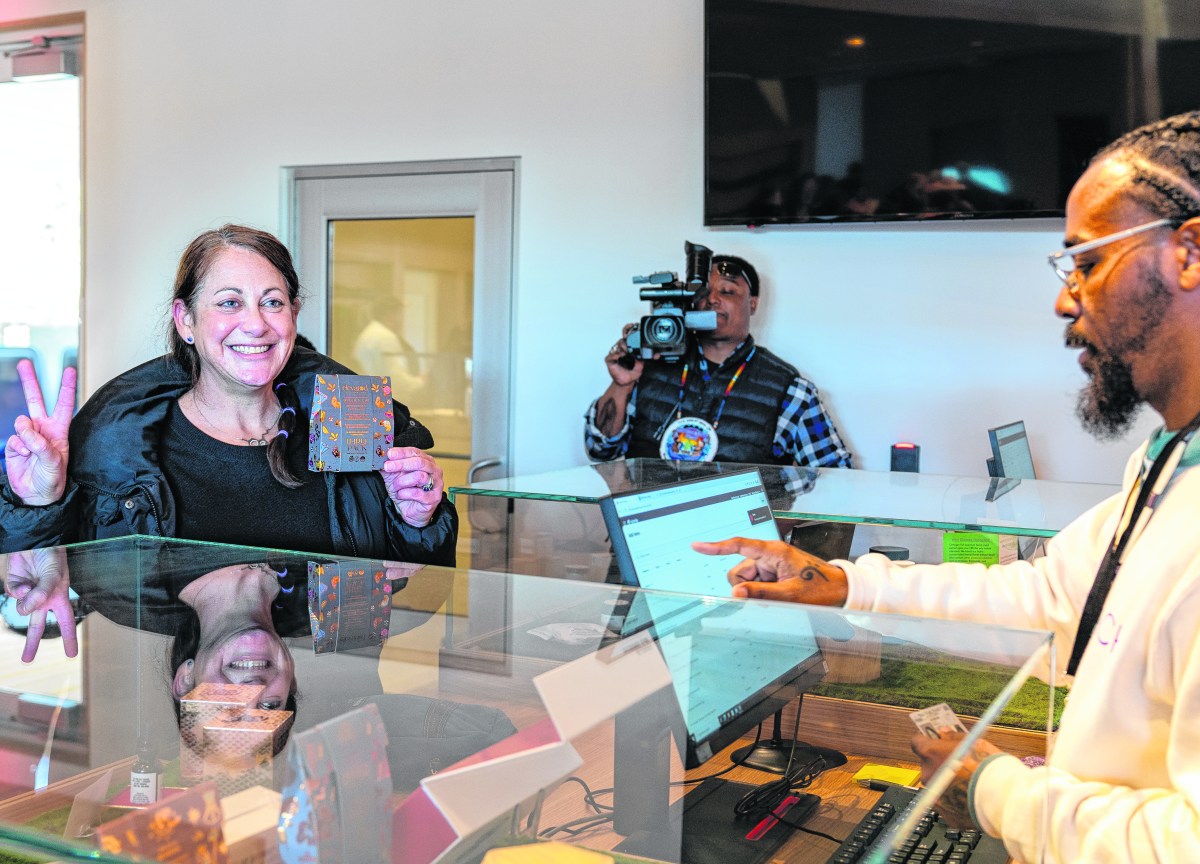
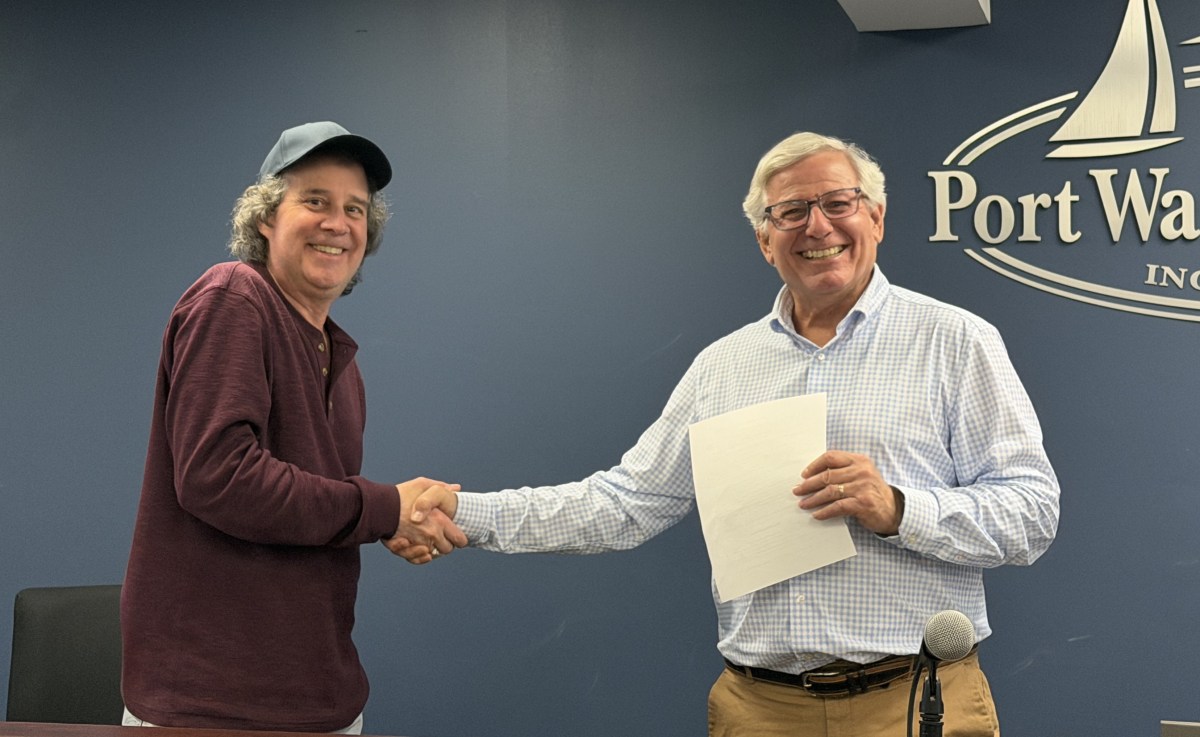
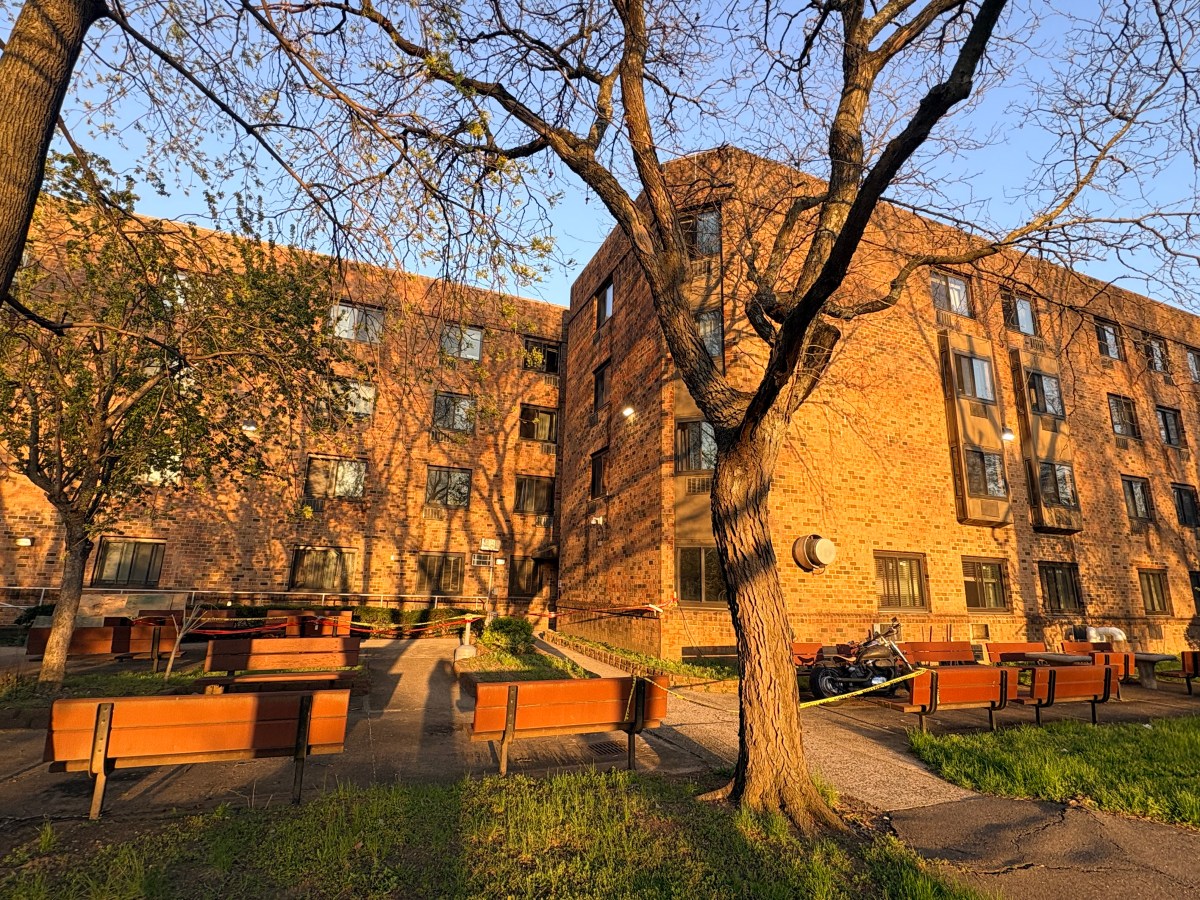



Long Island cannabis buyers are spending 41% more per transaction than the average New York State customer, and the region has generated nearly $310 million in total sales since legal retail began in late 2022, according to John Kagia, the acting executive director of the New York State Office of Cannabis Management.
That figure represents about 10% of the $3 billion in statewide cannabis sales to date. For a region that makes up a fraction of New York’s geographic footprint, those numbers are striking.
Kagia put it plainly: “Consumers have purchased nearly $310 million worth of cannabis in Long Island, which is about 10% of the $3 billion of sales that we’ve done to date.”
The backdrop to all of this is a fast-moving shift in public attitude. Non-smokable medical marijuana became legal in New York State in 2016. Decriminalization followed in 2019. The first legal retail sales didn’t start until late 2022, and now adults 21 and older can legally carry up to 3 ounces of flower and 24 grams of concentrated cannabis in the form of oils or vapes. New York moved through those stages in less than a decade.
The political atmosphere has shifted just as quickly. At an NBC New York mayoral debate in October 2025, candidates were asked whether they’d ever bought anything in a cannabis shop. Zohran Mamdani, then a candidate and now mayor, answered without hesitation. “I have,” he said with a slight chuckle. “I have purchased marijuana at a legal cannabis shop.” Five years ago, that answer would have ended a campaign. It didn’t.
A New York State Department of Health study found that 54.5% of adults report using cannabis for non-medical reasons. That’s a majority. For Long Island’s retail sector, which has watched real estate costs and tax burdens squeeze out businesses across Nassau and Suffolk counties for years, a customer base that large and that willing to spend is hard to ignore.
But getting into the cannabis business on Long Island isn’t as simple as finding a storefront. The state has authorized more than three dozen retail licenses across Nassau and Suffolk, yet only about a third of those operations have actually opened. Towns and villages retain the authority to ban dispensaries outright, a loophole that slowed the rollout considerably in the early years after legalization. Licensed dispensaries are also the only businesses legally permitted to sell flower and pre-rolls. New York’s Office of Cannabis Management tracks those distinctions closely, and the regulatory gap between CBD stores and full dispensaries has created real friction at the street level.
A worker at CBD Boss in Centereach, Suffolk County, asked not to be named because stigma around the business persists even now. The picture that worker painted wasn’t optimistic.
“There are a lot of restrictions, a lot less business,” the worker said. “We have had to try and get other products that are more in line with the new laws. And a lot of people are not interested in those new things as much as they were with the other things. It’s been very tough trying to make it as a business.”
That tension sits at the center of Long Island’s cannabis story right now. Consumer demand is clearly there. The Long Island Press first detailed the gap between licensed operators and those actually doing business, and it’s a wide one. Statewide, 617 dispensaries have been licensed, but the number open for retail tells a different story.
For consumers, the legal framework is more permissive than many people realize. The average joint contains roughly 0.32 grams of flower, and most users don’t smoke an entire one in a single sitting. The average edible dose runs about 2.5 milligrams or less. Possession limits of 3 ounces and 24 grams of concentrate give adults significant room without running afoul of the law.
What that means for Long Island’s tax base is still being worked out. Property taxes and municipal budgets dominate the financial conversation in Nassau and Suffolk, and cannabis revenue hasn’t entered that equation in any structured way yet. But with nearly a third of a billion dollars already spent in the region and transaction sizes running well above the state average, local officials who haven’t engaged with the question are starting to run out of time to ignore it.
Towns that banned dispensaries early in the rollout may find themselves revisiting those decisions as neighboring communities collect sales tax revenue and attract foot traffic to their commercial corridors. The business is growing. The customers are already here.